


Career Chat: What it means to work in mental health


More well-known professions in the mental health field would be psychologists and therapists. Still, social workers and school counselors also fall under this category. We will not be going over psychiatrists or other mental health professionals that involve medical school.
The day-to-day tasks in this field vary based on the job you have. If you work with children and teenagers frequently, such as in Oak Park High School, you may have different responsibilities, including one-on-one counseling and academics.
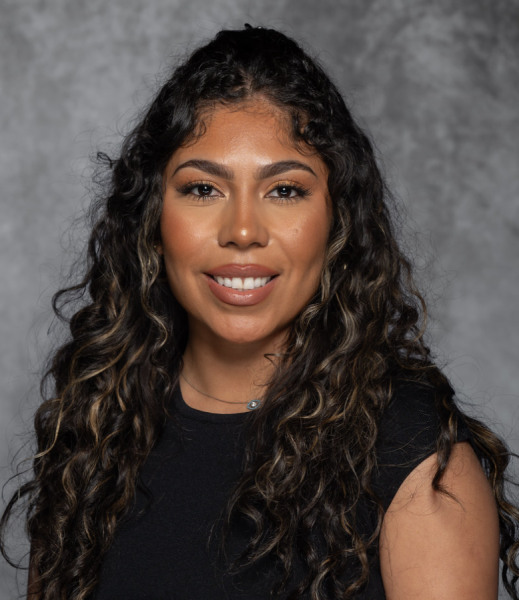
“We do group work, events based on themes and workshops here [at the Wellness Center] too,” OPHS Wellness Counselor Fatima Hernandez said. “I have outside professionals come in to do trainings or workshops on things from drug substance prevention to mental health topics. It’s just a place where students can come during the day to find a quiet place to be or someone to talk to.”
A therapist or psychologist has a wider clientele to choose their specialization, such as eating disorders, reproductive health, boys and men, etc.
“I work from a psychodynamic lens with focus on attachment theory to learn more about early attachment styles and how that shows up in our adulthood,” Licensed Marriage and Family Therapist Shirley Issakhan said. “I believe change is possible even if there is ambivalence. I also work collaboratively with my patients because it’s their journey. I see it as their journey, healing takes time and I meet patients where they’re at.”
Even within a specific domain, such as talk therapy or note-taking, there are unique approaches.
“My style is what you would call humanistic client-centered,” Jesse Esqueda, Oak Park Parent and Licensed Clinical Psychologist, said. “When I’m sitting with my clients, I really view them as the expert of their world and [myself] an expert in human behavior and change. It’s really a collaborative approach for the 50 minutes that we’re together. My job is to help them achieve the goals that they’re wanting to achieve, reduce the distress that they’re in, process the emotions that they’re struggling to process and make the changes that they need to change.”
Many mental health professions demonstrate a clear overlap in responsibilities, with some deviations. For instance, a clinical psychologist is set apart from other professions because they are able to do psychological testing and assessment.
The specific career you want to have will determine the

level of schooling you need to get. If you plan to be a therapist, you usually get a master’s degree. If you want to be a clinical psychologist, you have to get a doctorate.
“It’s a five-year [doctorate] program typically, and you’ll do trainings that are called practicums,” Esqueda said. “My practicum was very test-heavy, but I really enjoyed it. I did neuropsych testing at Cedars-Sinai, training at Verdugo Mental Health in Glendale and then training at the California Men’s Colony State prison at San Luis Obisbo.”
Some people know from a young age that a career in mental health is right for them because they were told they gave “good advice” or were “easy to talk to.” It is perfectly fine to need time to come to a decision or develop those skills as well. Similar to other careers, your previous education level or select major does factor into the overall process. However, some factors carry more weight than others.
“I would say get into the field as early as you can, either working at a preschool, babysitting or volunteering, because you get to see different ages and just things that people go through in general,” Hernandez said. “You might not be going through things that other people will, so really get involved with people, get to know them and their stories … Open yourself to opportunities like that. Some people might have turned it down because, ‘Oh, it’s just subbing. I’m looking for something permanent.’ But, no. You should take that subbing because it’s going to teach you a lot and you can add it to your resume too.”
Once you decide to go into mental health, the key is to be curious throughout your schooling and career path. This will give you more knowledge to work with when choosing your specialty, if you want to open your own practice, etc.
“As a young clinician, make yourself easy to be referred to,” Esqueda said. “Say yes, because you can have your specialty developed … and that may end up being your area of focus, but it may not. Be really open to learning from all the clients that people are gonna send to you. I think it gives you good information. I really do believe your specialty finds you as much as you may want it.”
If you are on the fence regarding a career in mental health, have an honest conversation with yourself about what your strengths are and why you want to go into the field.
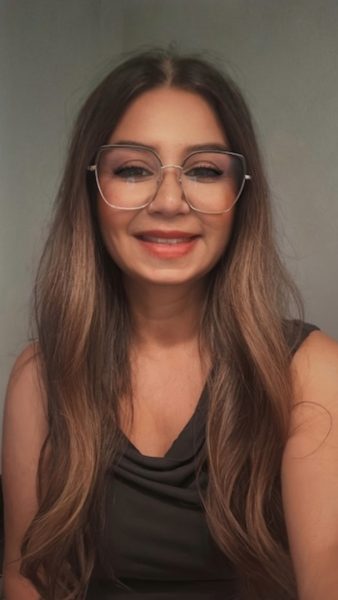
“I think that you really need to first ask yourself, ‘Can I sit with this stuff?’” Issakhan said. “You’re never prepared, I’ll tell you that. I have seen students, practicum students or even associates coming in, and when they hear a trauma story, they say ‘nope.’”
It is important to understand how to balance everything too. Building relationships and trust with clients is critical, but there is a firm line that cannot be crossed.
“Setting boundaries is a must, not only for me as a therapist but also for the patient,” Issakhan said. “[For] example, you don’t want the patient to constantly rely on you. You want to encourage their journey of healing and encourage them to use the skills they learn, unless it’s an emergency.”
Another instance of maintaining balance in the field is with your own energy. You have to know your limit, and once you hit it, ask for help or refer clients to others. Otherwise, you would be doing a disservice to everyone involved.
“Going into this field, you need to be able to appreciate that you’re going to have to continually work on yourself to be good at this,” Esqueda said. “Just as much as you’re helping your clients and their wellness, you have to make sure you’re attending to your wellness as well. It’s a field that can be deeply rewarding, but if you’re going into this field purely for monetary reasons, I think you’ll burn out quickly. You can make a good living in mental health, but if it’s just for money, there [are] easier ways to make money. It’s not a nine-to-five where you close the doors on the office and it’s over. You’re on call even if you’re not. You’re responsible for people when they’re out of your office, so it’s a high-stress job.”
Your donation will support the student journalists of Oak Park High School - CA. Your contribution will allow us to purchase equipment and cover our annual website hosting costs.


